
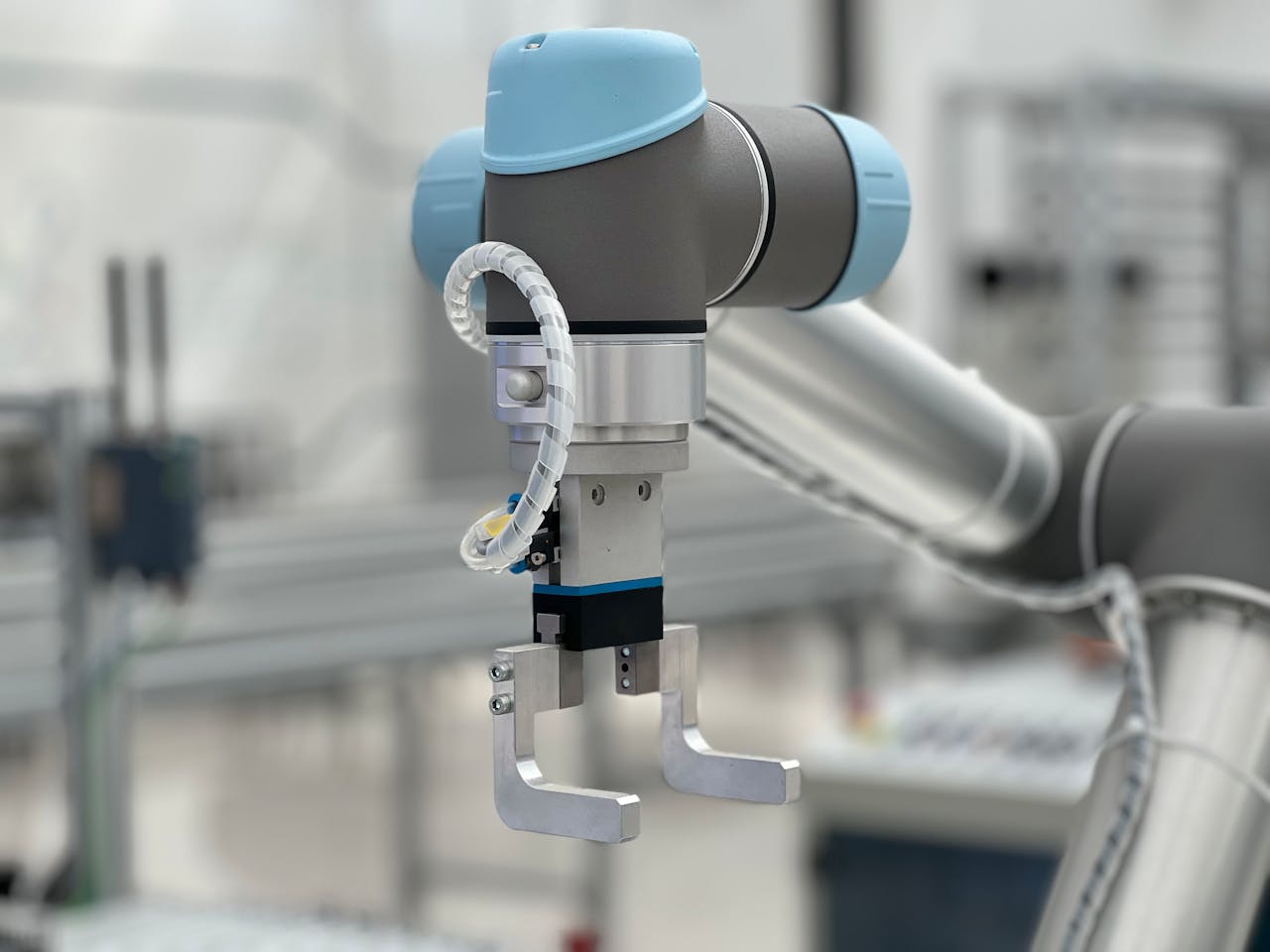
The year 2025 promises to be a transformative time for technology. With advancements happening at an unprecedented pace, new innovations are set to reshape industries and redefine how we interact with the world around us. From artificial intelligence (AI) and quantum computing to advancements in renewable energy and biotechnology, 2025 is poised to bring both challenges and exciting opportunities. Here’s a look at some of the key trends and developments that will shape the future of technology in the coming years.
Artificial Intelligence (AI) and Machine Learning
Artificial Intelligence and machine learning continue to dominate the technological landscape, with their applications expanding into nearly every industry. In 2025, AI is expected to become even more sophisticated, allowing for smarter automation, personalized experiences, and more efficient decision-making processes.
One area where AI is making significant strides is in healthcare. AI-driven systems are being used to analyze medical data, assist with diagnostics, and even suggest personalized treatment plans. AI’s ability to process vast amounts of data and recognize patterns is transforming industries such as finance, manufacturing, and logistics, making operations more efficient and cost-effective.
Another exciting development in AI is the rise of generative models, like OpenAI’s GPT series, which have already begun to revolutionize content creation. In 2025, we’ll see even more advanced versions of these models that can write, code, and create art with minimal human input, further pushing the boundaries of creative industries.
Quantum Computing: A Leap Towards Unsolvable Problems
Quantum computing is another area that is poised to make significant progress in 2025. While still in its infancy, quantum computers promise to solve problems that are currently beyond the reach of classical computers. These powerful machines use the principles of quantum mechanics to perform complex calculations at unimaginable speeds, making them particularly well-suited for fields like cryptography, drug discovery, and climate modeling.
In 2025, we are likely to see more breakthroughs in quantum hardware and software, bringing us closer to practical, large-scale quantum computing. Companies like Google, IBM, and Microsoft are already leading the charge, and many are making significant strides in developing quantum systems that can outperform traditional computers in certain tasks. These advancements will have profound implications for industries such as cybersecurity and pharmaceuticals.
5G and Beyond: The Next Generation of Connectivity
5G technology is set to revolutionize the way we connect to the internet and each other. By offering faster speeds, lower latency, and the ability to handle more connected devices, 5G will enable new applications in areas such as autonomous vehicles, smart cities, and the Internet of Things (IoT). In 2025, we can expect 5G networks to be more widely available, paving the way for a more connected and efficient world.
But 5G is just the beginning. As we move toward 6G and beyond, the capabilities of wireless technology will continue to expand. 6G is expected to offer even faster speeds and more advanced applications, including the integration of AI into connectivity systems and the ability to support holographic communications. These innovations will create new opportunities for industries such as telemedicine, entertainment, and remote work.
Biotechnology and Genetic Engineering: The New Frontier
Biotechnology is experiencing a renaissance, with rapid advancements in genetic engineering, personalized medicine, and gene therapy. In 2025, we can expect major breakthroughs in healthcare, including more targeted therapies for conditions like cancer, genetic disorders, and autoimmune diseases. CRISPR technology, which allows scientists to edit genes with unprecedented precision, is at the forefront of this revolution.
The potential for gene-editing technologies to eradicate hereditary diseases or improve human capabilities is immense, but these advances also raise ethical questions. As gene-editing technologies become more refined, debates around their use will intensify, particularly in relation to “designer babies” and genetic enhancements.
Beyond healthcare, biotechnology is also making waves in areas like agriculture, where genetic modifications are being used to create crops that are more resistant to diseases and can thrive in harsh environmental conditions. In 2025, we are likely to see the widespread adoption of these biotechnological innovations, which could address global challenges such as food security and climate change.
Renewable Energy: Advancements in Sustainability
The push for clean, renewable energy is stronger than ever, and by 2025, we’ll see significant advancements in solar, wind, and energy storage technologies. Solar energy, in particular, is expected to become more efficient and affordable, making it a viable option for more people and businesses around the world.
Battery technology is also advancing, with improvements in energy storage solutions allowing for better integration of renewable energy sources into the grid. These innovations will help reduce dependence on fossil fuels and support the transition to a more sustainable energy system.
Moreover, new technologies like hydrogen fuel cells are gaining traction as a clean energy alternative for industries like transportation. In 2025, we can expect to see more hydrogen-powered vehicles on the road, as well as increased investment in the infrastructure needed to support them.
Autonomous Vehicles: The Road Ahead
Autonomous vehicles are on the brink of becoming mainstream, and by 2025, self-driving cars, trucks, and drones are expected to be more common on the roads and in the skies. Advances in AI, sensor technology, and machine learning are making autonomous vehicles safer and more reliable, with several companies already testing their self-driving technologies in real-world conditions.
In 2025, we may see fully autonomous taxis and delivery vehicles in major cities, transforming the transportation and logistics industries. However, the widespread adoption of autonomous vehicles will require significant regulatory changes and infrastructure upgrades, as well as public trust in the technology.
Space Exploration and Colonization: The Final Frontier
In 2025, the race for space exploration will continue to heat up, with both government space agencies and private companies like SpaceX, Blue Origin, and Virgin Galactic making significant strides. Space tourism is expected to become more accessible, allowing more people to experience space travel, albeit at a premium price.
On a more ambitious level, human colonization of other planets is becoming a realistic possibility. In 2025, we may see further progress toward sustainable human habitats on Mars and the Moon. NASA and private space companies are already working on the technologies needed for long-term space travel, such as advanced life support systems, radiation protection, and propulsion systems.
Final Words
The future of technology in 2025 is filled with endless possibilities. From the transformative power of AI and quantum computing to advancements in biotechnology and renewable energy, the next few years will see the emergence of new technologies that will reshape the world as we know it. While these innovations promise incredible benefits, they also come with challenges, particularly in terms of ethics, regulation, and societal impact. As we move forward, it will be crucial for businesses, governments, and individuals to navigate these changes thoughtfully, ensuring that technology continues to improve lives and create a sustainable future for all.