
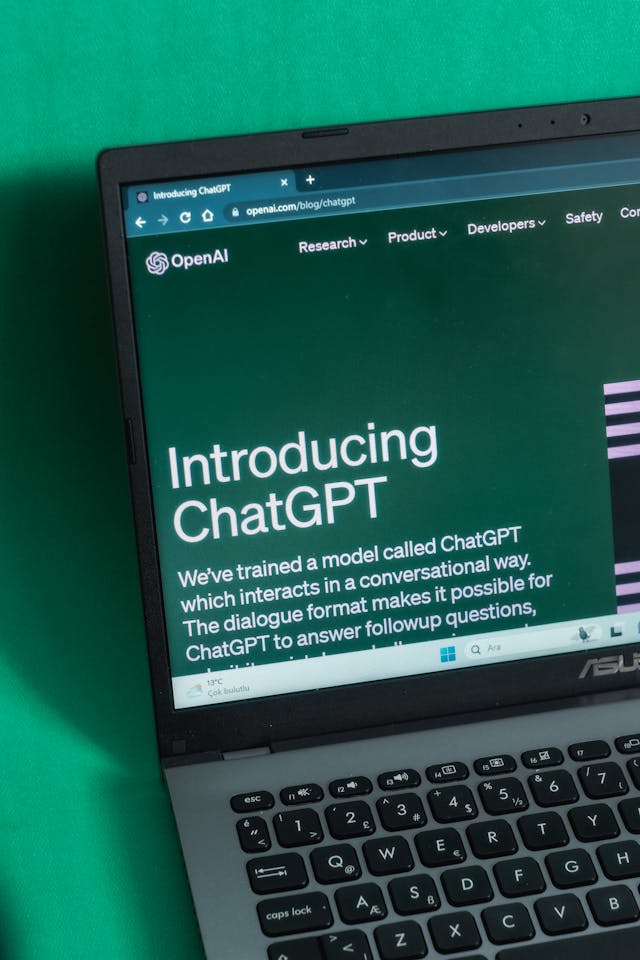
When discussing the evolution of artificial intelligence, one name repeatedly comes up: Elon Musk. Known for leading revolutionary ventures like Tesla, SpaceX, and Neuralink, Musk also played a pivotal role in the early days of OpenAI. The connection between Elon Musk and OpenAI is both inspiring and complicated—one filled with vision, collaboration, and eventual divergence.
In this article, we dive deep into how Elon Musk and OpenAI crossed paths, what their collaboration meant for AI development, and where they stand today.
The Birth of OpenAI and Elon Musk’s Involvement
OpenAI was founded in December 2015 with a bold mission: to ensure that artificial general intelligence (AGI) benefits all of humanity. Musk contributed both financial support and visionary thinking to OpenAI’s formation. He donated tens of millions of dollars, emphasizing the need for ethical and safe development of AI technologies.
Musk was concerned about the existential risks AI could pose. He envisioned OpenAI as a counterbalance to big tech companies potentially monopolizing powerful AI tools. For Musk, OpenAI wasn’t just a research lab—it was a moral imperative.
Elon Musk’s Core Beliefs on Artificial Intelligence
To understand the relationship between Elon Musk and OpenAI, it’s essential to grasp Musk’s long-standing views on artificial intelligence. He has often warned that AI could be more dangerous than nuclear weapons if not regulated or monitored properly. According to Musk, superintelligent AI could eventually surpass human intelligence and make decisions that threaten humanity’s existence.
His public statements have at times been controversial, but they’ve helped elevate the conversation around AI safety. OpenAI, at least initially, mirrored these concerns by focusing on transparency, open-source research, and responsible development.
Why Elon Musk Left OpenAI?
Despite being a co-founder and early supporter, Elon Musk parted ways with OpenAI in 2018. While official reasons were largely diplomatic, stating potential conflicts of interest due to Tesla’s own AI ambitions (especially in autonomous driving), there’s more beneath the surface.
Reports suggest that Musk wanted more control over OpenAI’s direction. When the other founders didn’t agree, he stepped back from the board. Shortly after, OpenAI shifted from a purely non-profit model to a “capped-profit” structure to attract funding from companies like Microsoft. This change in strategy appeared to clash with Musk’s original vision for OpenAI.
This moment marked a turning point in the Elon Musk OpenAI narrative, signaling diverging ideologies about how AI should be developed and governed.